Introduction – Why Gau Seva Is More Than a Ritual
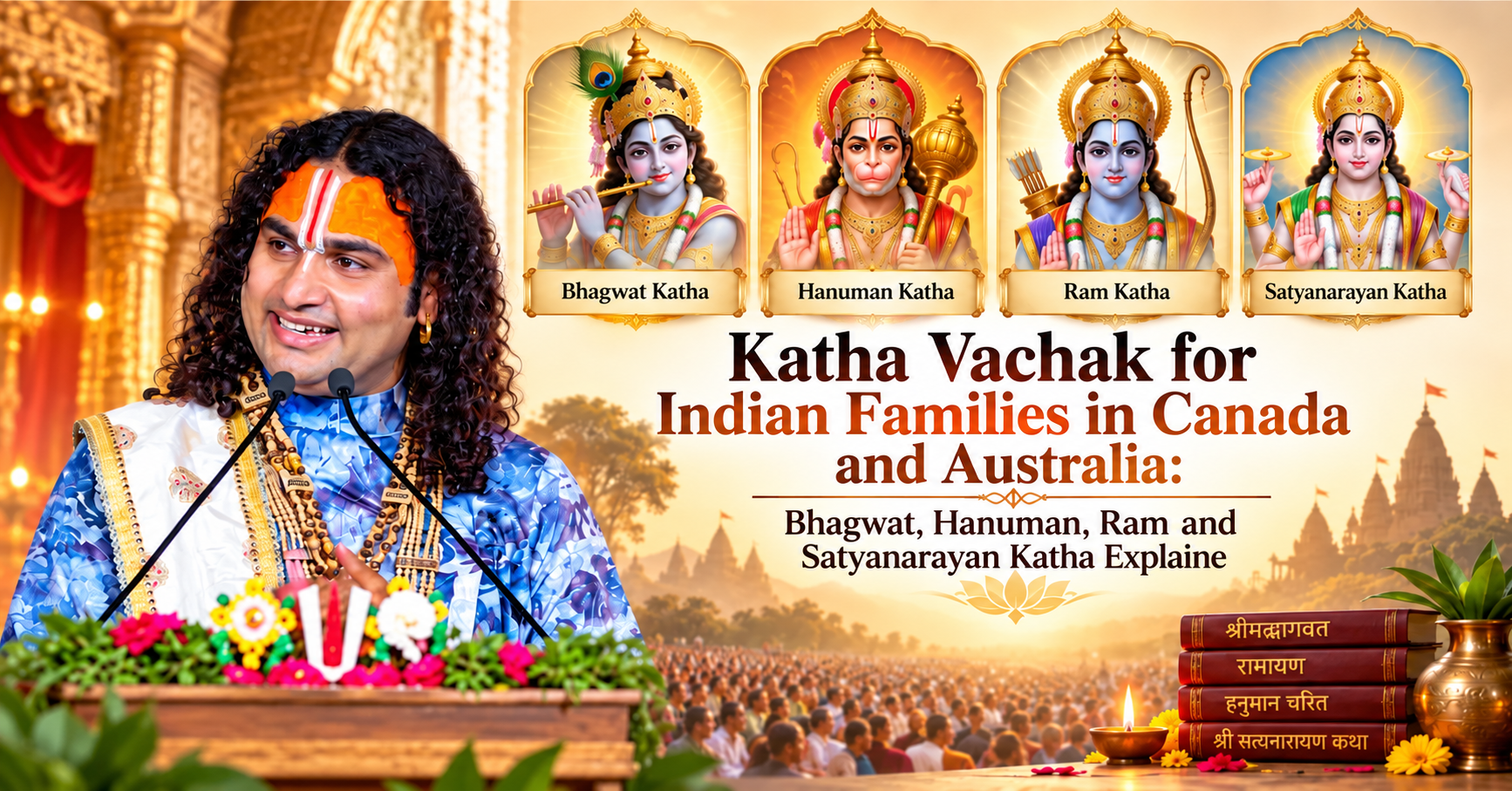
In a world moving at digital speed, where values are often reduced to trends and traditions to aesthetics, the ancient practice of Gau Seva stands apart as a living act of reverence. For millions rooted in Hindu dharma, caring for the cow is not a symbolic gesture — it is a daily expression of gratitude, responsibility, and spiritual alignment. And in the teachings of Aniruddhacharya Ji ki Katha , this practice is brought to life with clarity, warmth, and deep wisdom for the modern world.
Whether you live near a gaushala or in the heart of a city, whether your faith is deep or your curiosity is new — the importance of gau seva speaks to something universal: the recognition that life supports life, and service is its highest expression.
What is Gau Seva in Hindu Dharma?
Gau Seva means serving, protecting, and caring for cows with respect and devotion. In Hindu dharma, the cow is revered as Gau Mata — a nurturing presence that sustains life through milk, agriculture, and natural balance.

This goes far beyond occasionally feeding an animal on the street. Gau Seva includes protecting cows from harm, supporting shelters where abandoned or injured cows are cared for, and ensuring they live with dignity throughout their lives. In many sacred traditions, serving cows is considered equivalent to serving all of society and nature together. To understand its deeper spiritual meaning, listening to Aniruddhacharya Ji ki Katha offers a profound and relatable entry point — these teachings make ancient values feel immediate and alive.
At its heart, the practice is rooted in gratitude. Cows give without expectation — nourishment, strength, fertility for the earth — and seva is the human response to that boundless generosity. That is why gau seva is inseparable from dharma, punya, and inner growth.
In practical life, this can be as simple as setting aside the first roti of the day for Gau Mata, or contributing monthly to a trusted gau mata seva sanstha. The sincerity of intention matters more than the scale of action. This is what makes gau seva not merely an act, but a responsibility rooted in belief and balance.
Why is Gau Mata Considered Sacred?
In Hindu dharma, Gau Mata holds a place of profound sacredness because she embodies nourishment, balance, and selfless giving. Every part of the cow — milk for sustenance, dung for agricultural use, and urine for traditional healing — has served human life for thousands of years across the Indian subcontinent.
Yet the reverence goes far deeper than utility. Ancient scriptures describe the cow as a living symbol of all divine energies, which is why serving her is seen as equivalent to honoring the sacred itself. This understanding makes the importance of gau mata not merely religious sentiment, but a philosophy of interconnectedness.
There is also a cultural and ecological dimension. The prosperity of rural India has long been tied to the health of its cows — from the fields they helped cultivate to the households they nourished. Over centuries, the cow became a symbol of life-support, abundance, and stability — and that understanding became woven into the spiritual fabric of the culture.
Today, this connection encourages gratitude and responsibility. Those who truly understand the importance of gau mata do not view seva as charity. They see it as a duty — a natural return of care to one who gives so freely. That is why the cow is not merely an animal in Hindu dharma, but a sacred presence worthy of lifelong protection and devoted service.
How Does Gau Seva Work in Daily Life?
Gau seva in daily life is built on simple, consistent actions rather than grand gestures. It does not require a pilgrimage or a ceremony — it begins where you are, with what you have.
For many people, the practice starts with something as gentle as feeding cows near their home — fresh roti, green fodder, or a vessel of clean water. A deeply cherished tradition is setting aside the very first roti made each morning for Gau Mata before the household eats, a quiet daily act of offering and remembrance.
When direct care is not possible, supporting a trustworthy gau mata seva sanstha is a meaningful alternative. This could mean contributing to the cost of daily fodder, shelter maintenance, or veterinary care. Even modest monthly donations, when offered with regularity and sincerity, sustain the ongoing care of abandoned and injured cows who have no one else.
You can also embody gau seva through conscious, responsible choices in everyday life — avoiding the waste of milk and dairy, choosing ethically sourced products, and staying aware of the conditions in which cows live. This mindful approach is itself a living expression of the importance of gau seva .
During festivals and auspicious occasions, participating in gau daan or collective seva activities deepens the practice. But what transforms gau seva from a ritual into a spiritual discipline is daily consistency — returning, again and again, to a habit of respect. That is what makes it meaningful, sustainable, and truly transformative.
Types of Gau Seva and Gau Daan
Gau seva can be expressed in many forms, and the right approach is not the most elaborate — it is the one you can offer with sincerity and sustain over time.
- Direct Seva is the most immediate form: feeding cows, bringing clean water, or physically caring for them at a gaushala. This hands-on connection builds intimacy with the practice and keeps it grounded in daily life. Many people weave this into their morning routine as a natural act of devotion.
- Financial Support enables those who cannot be present in person to still make a real difference. Donations to a trusted gau mata seva sanstha cover fodder, shelter, and medical care for cows that have been abandoned or left without a guardian. Even small, steady contributions accumulate into lasting impact.
- Gau Daan is the traditional act of gifting a cow as an offering of spiritual merit. In the contemporary context, this is often fulfilled by sponsoring the full care of a cow in someone's name — making it a living, breathing act of generosity rather than a one-time transaction.
- Volunteer Seva offers another path — contributing time and effort to shelters, awareness campaigns, or community programs, especially when financial means are limited but the heart is ready to serve.
Choosing your form of gau seva is a personal decision. Let it be guided not by what seems most impressive, but by what you can offer with genuine consistency. The depth of gau seva lies not in scale, but in sincerity.
What Are the Benefits of Gau Seva?
The fruits of gau seva reach into every dimension of life — spiritual, personal, and social.

At the spiritual level , gau seva is believed to accumulate punya, draw positive energy, and bring a profound peace of mind. This is not merely folklore — countless practitioners describe a genuine inner stillness that arises from caring for Gau Mata, rooted in the purity of a selfless act.
In daily life , the practice cultivates discipline and deepened awareness. When you return each day to feed, to offer, to notice — you naturally become more present, more conscious of your choices regarding food, waste, and your relationship with living beings. These are among the most quietly powerful gau mata seva benefits — ones that quietly reshape how you move through the world.
There is also a meaningful social dimension . Supporting cows sustains rural ecosystems, supports agricultural traditions, and keeps gaushalas alive — institutions that depend on community care to function. Your contribution participates in a larger, ancient cycle of mutual nourishment.
Many also believe that gau seva softens negative karmic influences and brings a grounded sense of well-being. Whether approached through belief or simply through the experience of compassionate action, the calm it fosters is real and lasting.
Over time, gau seva becomes more than a practice. It becomes a way of seeing — one rooted in respect, reciprocity, and an understanding that life flourishes when we choose to give back.
Common Mistakes in Gau Seva
Many people approach gau seva with the purest of intentions, yet a few common missteps can quietly diminish the depth and impact of their effort. Being aware of these helps the practice stay grounded, sincere, and genuinely effective.
- Irregular Seva is perhaps the most frequent pattern — offering care during festivals or special occasions, then letting the practice fall away. Gau seva is not meant to be seasonal. Small, daily actions hold far more spiritual and practical value than occasional large gestures. Consistency is the foundation of seva.
- Offering Harmful Food is a well-meaning but potentially damaging mistake. Cows are often fed leftover, stale, or even plastic-wrapped food out of habit or haste. Clean roti, fresh green fodder, and pure water are always the right choices. What you offer Gau Mata should reflect the reverence you feel toward her.
- Donating Without Discernment can mean that your generosity does not reach the cows who need it most. Not every shelter operates with transparency and care. Before contributing, take time to verify how the gau mata seva sanstha functions — observe the conditions, ask questions, and trust your instincts about where your support will be honored.
- Transactional Intention is a subtler mistake. When gau seva is approached only as a means to accumulate punya or receive blessings, its deeper dimension is lost. The true importance of gau seva lies in the quality of care and presence you bring — not in what you expect in return.
Correcting these patterns does not require effort so much as awareness. When seva flows from genuine care rather than habit or obligation, every small action carries real meaning.
Cost and Ways to Support Gau Mata Seva Sanstha
Supporting a gau mata seva sanstha requires no minimum commitment — only sincerity and regularity. The entry point is whatever you can offer with consistency, and every contribution, no matter its size, sustains the care of cows who have no one else.

In practical terms, feeding one cow for a single day costs approximately ₹50–₹150. Monthly sponsorship of a single cow may range from ₹1,500 to ₹7,500 depending on the gaushala and its location. Comprehensive annual care for one cow can require between ₹18,000 and ₹36,000 in many organizations. There is no obligation to reach these figures — even a modest, regular donation channels real resources toward real care.
Common ways to contribute include:
- Daily feeding support — Sponsor the food for one or more cows
- Monthly or yearly adoption — Commit to the ongoing care of one specific cow
- Fodder donation — Contribute toward bulk food supplies for an entire shelter
- Medical support — Help fund veterinary treatment and rescue efforts
- General donation — Offer any amount in alignment with your capacity
You can also support through gau daan — dedicating seva in honor of a loved one, on a birthday, an anniversary, or any occasion that calls for a meaningful offering.
What matters above all is not the amount but the steadiness. A small, regular contribution builds the foundation for long-term, dignified care — far more sustainably than a single large donation followed by silence. This is what makes your support not just generous, but genuinely transformative.
How to Choose the Right Way to Do Gau Seva?
The right way to do gau seva is simply the way you can practice with sincerity, without pressure, and return to again and again. There is no hierarchy of methods — only the depth of intention behind each one.
Begin by honestly assessing your situation. If cows are accessible nearby — outside a temple, along a rural road, in a local gaushala — direct feeding or care is the most immediate and grounding option. It creates a personal, daily connection that keeps the practice alive in your body, not just your intentions.
If access or time is limited, supporting a reliable gau mata seva sanstha is the more practical path. Before committing, take a moment to investigate: How are the cows cared for? Is the environment clean? Are the accounts transparent? Choosing with care ensures that your offering reaches where it is truly needed and genuinely honored.
Many people find that a blend of both works best — a small daily feeding alongside a monthly financial contribution. This rhythm sustains the spiritual quality of direct connection while also supporting the institutional infrastructure that cares for the most vulnerable cows.
The one approach to avoid is choosing a method only because it appears more visible or more "impressive." Gau seva is not a performance. It is a relationship — with the cow, with the practice, and with yourself. When it feels natural rather than forced, it becomes a source of genuine nourishment for both the giver and the receiver.
In practical terms, the best form of gau seva is the one you can sustain with quiet sincerity. That is where the true importance of gau seva lives.
What is the Future of Gau Seva in Modern Society?
The future of gau seva is unfolding at an interesting crossroads — where ancient reverence meets contemporary structure, and where urban lifestyles are finding new ways to participate in an age-old practice of care.
In earlier generations, gau seva was woven naturally into the rhythms of rural life. Cows lived in courtyards, shared the pace of the household, and were tended to as a matter of daily existence. As urbanization has reshaped how and where people live, the form of gau seva has had to evolve — and it is evolving meaningfully.
Organized support systems are now central to the practice's future. Gaushalas and gau mata seva sanstha organizations have created accessible pathways for city dwellers — through verified online donations, monthly adoption programs, and transparent reporting on how care is delivered. This infrastructure has made gau seva available to anyone, regardless of geography.
There is also a growing shift toward ethical consciousness . More people are moving beyond occasional feeding toward a genuine concern for how cows are treated throughout their lives — advocating for humane conditions, supporting cruelty-free dairy, and engaging with organizations that prioritize the cow's dignity. This deeper awareness is elevating the importance of gau seva from ritual to responsibility.
At the same time, challenges remain. Stray cattle in urban areas, resource constraints in gaushalas, and the growing distance between modern life and animal care all require thoughtful attention. The future of this practice will depend on conscious, informed participation — not just devotion, but discernment.
In essence, gau seva will endure. But its greatest expression in the years ahead will come not from routine, but from genuine choice — from people who understand what they are offering, and why it matters.
Key Takeaways
- Gau seva means caring for and protecting cows with respect — not just feeding them occasionally. It is a daily responsibility rooted in Hindu dharma.
- The importance of gau seva flows from both spiritual belief and practical value. It connects gratitude, balance, and social support in a single, living practice.
- Simple actions — feeding cows or supporting a gau mata seva sanstha — create real impact when offered with consistency and sincerity.
- Gau daan and other forms of seva hold deep meaning, but intention and regularity matter more than scale.
- Avoid common mistakes: irregular effort, harmful feeding choices, unverified donations, or transactional motivation.
- The right form of gau seva is the one you can sustain naturally, over time, without pressure.
Conclusion — Gau Seva as a Way of Life
Gau seva is not a ritual to be performed on auspicious days and set aside the rest of the time. It is a practice of presence — a daily return to gratitude, care, and the recognition that life sustains life when we choose to honor that bond.
The importance of gau seva is found not in grand gestures, but in the quiet constancy of someone who sets aside the first roti of the day, who supports a gaushala each month, who pauses to offer water to a cow on the roadside. These small, sincere acts accumulate into something profound — a way of moving through the world with more reverence and less indifference.
You do not need large resources, perfect conditions, or a particular level of devotion to begin. What you need is simply the willingness to start — and to keep returning, in whatever form feels true to you.
In the teachings of Aniruddhacharya Ji , gau seva is not separated from spirituality — it is one of its most tangible expressions. When you serve Gau Mata, you serve dharma. And when dharma is served with love, it transforms not only the one who receives, but the one who gives.
- A Call to Action:
If this practice speaks to you — if you feel the quiet pull of something meaningful — begin today. Explore how you can support a gaushala , offer seva in whatever form you are able, and let this ancient practice become a living part of your daily life. The cow waits, as she always has — with patience, with grace, and with everything she has already given.
Share this post:
Frequently Asked Questions
Deepen Your Spiritual Practice
Explore these articles and rituals to strengthen your connection with dharma, devotion, and service.
Table of Contents
- What is Gau Seva in Hindu Dharma?
- Why is Gau Mata Considered Sacred?
- How Does Gau Seva Work in Daily Life?
- Types of Gau Seva and Gau Daan
- What Are the Benefits of Gau Seva?
- Common Mistakes in Gau Seva
- Cost and Ways to Support Gau Mata Seva Sanstha
- How to Choose the Right Way to Do Gau Seva?
- What is the Future of Gau Seva in Modern Society?
- Key Takeaways
- Conclusion — Gau Seva as a Way of Life